
Industrial facilities are constantly evolving to improve productivity, increase capacity and accommodate new technology. However, adding machinery, relocating production lines or modifying existing equipment can affect how well a fire suppression system protects the facility. Understanding these potential impacts is essential for maintaining effective fire protection as operations change.
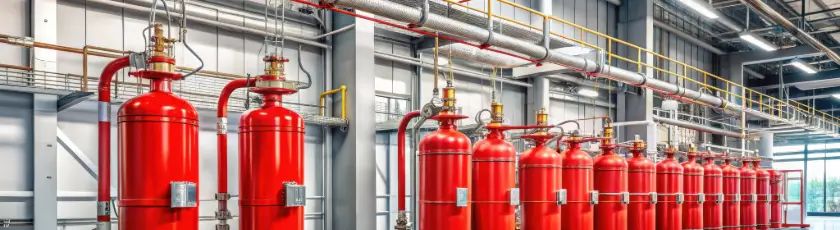
Why Equipment Changes Matter for Fire Suppression
Industrial fire suppression systems are designed to address specific hazards within a facility. Their effectiveness depends on factors such as equipment placement; the materials being handled and the layout of the protected area. When any of these factors change, the existing system may no longer provide the intended level of protection.
Before implementing a layout or material processed change, facility managers are code required to consider how the new arrangement affects existing fire protection equipment. NFPA building codes call for a “management of change” process to be implemented and provides guidance for this process protection evaluation.
For example, installing a larger machine could obstruct a suppression nozzle or create an area where fire protection coverage is limited. Moving production equipment might introduce new ignition sources or change how combustible materials are stored. Even seemingly minor adjustments can affect the conditions the original system was designed to protect.
Professional industrial fire suppression system service in OH helps facility managers identify potential concerns and determine whether modifications are necessary.
Common Industrial Changes That May Affect Fire Protection
Several types of operational changes can influence fire suppression requirements.
Installing New Machinery
New industrial equipment may introduce additional heat sources, electrical components, flammable materials or other potential fire hazards. Depending on the equipment and its location, the existing suppression system may require adjustments to maintain appropriate coverage.
A qualified fire protection professional can evaluate the new equipment and determine whether the current system remains suitable for the area.
Relocating Production Lines
Rearranging a production floor can change the distribution of fire hazards throughout a facility. Equipment that once had adequate clearance from suppression components may end up beneath or beside relocated machinery. New obstructions could also interfere with the discharge pattern of certain suppression systems.
Expanding Storage Capacity
Industrial facilities may increase storage capacity by adding shelving, installing high-rack storage or changing how materials are organized. These modifications can influence fire protection requirements, particularly when storage heights, commodity types or aisle configurations change.
The original system may need to be reassessed to determine whether it remains appropriate for the updated storage arrangement.
Changing Production Materials or Processes
A facility that introduces new chemicals, combustible materials or manufacturing processes may face different fire hazards than those present when the suppression system was installed. These changes can affect the type of protection needed and whether existing equipment remains appropriate for the application. A DHA (Professional Dust Hazard Assessment) in many cases is required by OSHA to protect your facility from Deflagration / Explosion combustible dust events.
A professional assessment can help identify changes that require additional planning or system modifications.
When Should You Schedule a Fire Suppression System Evaluation?
Facility managers should consider a professional evaluation before implementing significant equipment, material or layout changes. Planning ahead gives fire protection professionals an opportunity to identify potential conflicts and recommend appropriate solutions before the new arrangement becomes operational.
An evaluation may also be warranted after renovations, the installation of new production machinery or changes to storage practices. If equipment has already been relocated, scheduling an assessment can help determine whether the changes have affected system coverage or accessibility.
It is also important to keep accurate records of facility modifications and any associated fire protection work. These records help service technicians understand the current configuration and identify changes that may affect future maintenance.
Keep Your Industrial Fire Suppression System Aligned with Your Operations
Fire protection should evolve alongside your facility. Regular communication between operations teams, maintenance personnel and fire protection professionals can help ensure that changes to equipment and production layouts do not create unexpected gaps in protection.
Hard Fire provides fire protection services to help businesses maintain their systems and address changing facility needs. If your industrial operation is adding machinery, expanding storage or modifying its production layout, contact Hard Fire to discuss your fire suppression system service needs and determine whether a professional evaluation is appropriate.
When it comes to industrial fire suppression system service, good enough…never is. Choose Hard Fire for professional and effective industrial fire suppression system service in OH. Call us today at 614-882-2990 or contact us!