
A fire suppression system is one of the most important safety features in any commercial or industrial facility. Whether it protects a manufacturing plant, commercial kitchen, warehouse or office building, every component must be ready to perform when an emergency occurs. Unfortunately, many issues develop gradually and often go unnoticed until a professional inspection is performed.
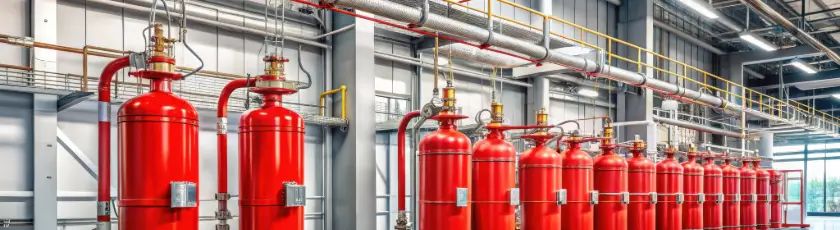
Routine fire suppression system service in Ohio is designed to identify these problems before they affect your system’s performance. At Hard Fire, our experienced technicians regularly discover small issues that, if left unaddressed, could become costly repairs or compromise the effectiveness of your fire protection system.
Why Routine Fire Suppression System Service Matters
Fire suppression systems are exposed to daily wear, environmental conditions and accidental damage. Even if the system has never been activated, its components can deteriorate over time. Regular fire suppression system service helps ensure every valve, nozzle, detection device and control component is functioning properly and meets current safety standards.
Identifying minor problems early not only improves system reliability but also helps reduce repair costs and avoid unexpected downtime.
Corrosion and Damaged Components
One of the most common problems discovered during fire suppression system service is corrosion. Moisture, humidity and harsh environmental conditions can cause piping, fittings and other metal components to deteriorate over time.
Technicians also frequently find physical damage caused by forklifts, machinery, building renovations or general wear and tear. Bent pipes, damaged nozzles and cracked fittings can all affect system performance if they are not repaired promptly.
Obstructed or Dirty Nozzles
Fire suppression nozzles are designed to distribute the suppression agent in a specific pattern. Dust, grease, paint overspray and debris can partially block these nozzles, reducing their effectiveness during a fire.
Routine fire suppression system service includes inspecting nozzles for obstructions and verifying they remain properly positioned. Something as simple as a newly installed light fixture, storage rack or piece of equipment can interfere with the system’s discharge pattern.
Low Suppression Agent Levels
Certain fire suppression systems rely on stored suppression agents that must remain at the proper levels to operate effectively. During service visits, technicians verify cylinders, tanks or containers contain the appropriate amount of suppression agent and check for signs of leaks or pressure loss.
Catching these issues early helps ensure the system can fully protect your facility if a fire occurs.
Detection and Control Issues
Modern fire suppression systems depend on detection devices, control panels and releasing mechanisms working together. During fire suppression system service, technicians test these components to verify they communicate properly and respond as designed.
Faulty detectors, damaged wiring, low backup battery capacity or malfunctioning control panels can all prevent a suppression system from activating when it’s needed most. Routine testing helps identify these issues before they become serious safety concerns.
Valves That Have Been Closed or Tampered With
It’s not uncommon for technicians to discover valves that have been accidentally closed during maintenance or construction projects. In some cases, valves may have been partially closed and never returned to their proper operating position.
Even a properly maintained fire suppression system cannot perform correctly if critical valves are closed or improperly adjusted. Regular inspections verify every valve is accessible, properly secured and operating as intended.
Code Compliance Deficiencies
Building modifications, equipment upgrades and changes in occupancy can all affect your fire protection requirements. During fire suppression system service, technicians often identify deficiencies that developed after renovations or operational changes.
These issues may include insufficient system coverage, relocated equipment, blocked access to components or outdated equipment that no longer meets current codes. Addressing these concerns helps keep your business compliant while maintaining reliable fire protection.
Protect Your Investment with Professional Fire Suppression System Service
Many of the most common fire suppression system problems develop slowly and remain hidden until a professional inspection uncovers them. Regular fire suppression system service gives you confidence that your system will operate properly while helping prevent expensive repairs, compliance issues and unexpected downtime.
At Hard Fire, our experienced technicians provide comprehensive fire suppression system service for commercial and industrial facilities throughout the region. We thoroughly inspect, test and maintain your system to identify potential issues before they become major problems, helping protect your people, your property and your business every day.
When it comes to fire suppression, good enough…never is. Choose Hard Fire for professional and effective fire suppression system service in Ohio. Call us today at 614-882-2990 or contact us!